
Balancing Hormones Naturally
Lifestyle, Nutrition, and Herbal Remedies for Fertility & Hormonal Harmony
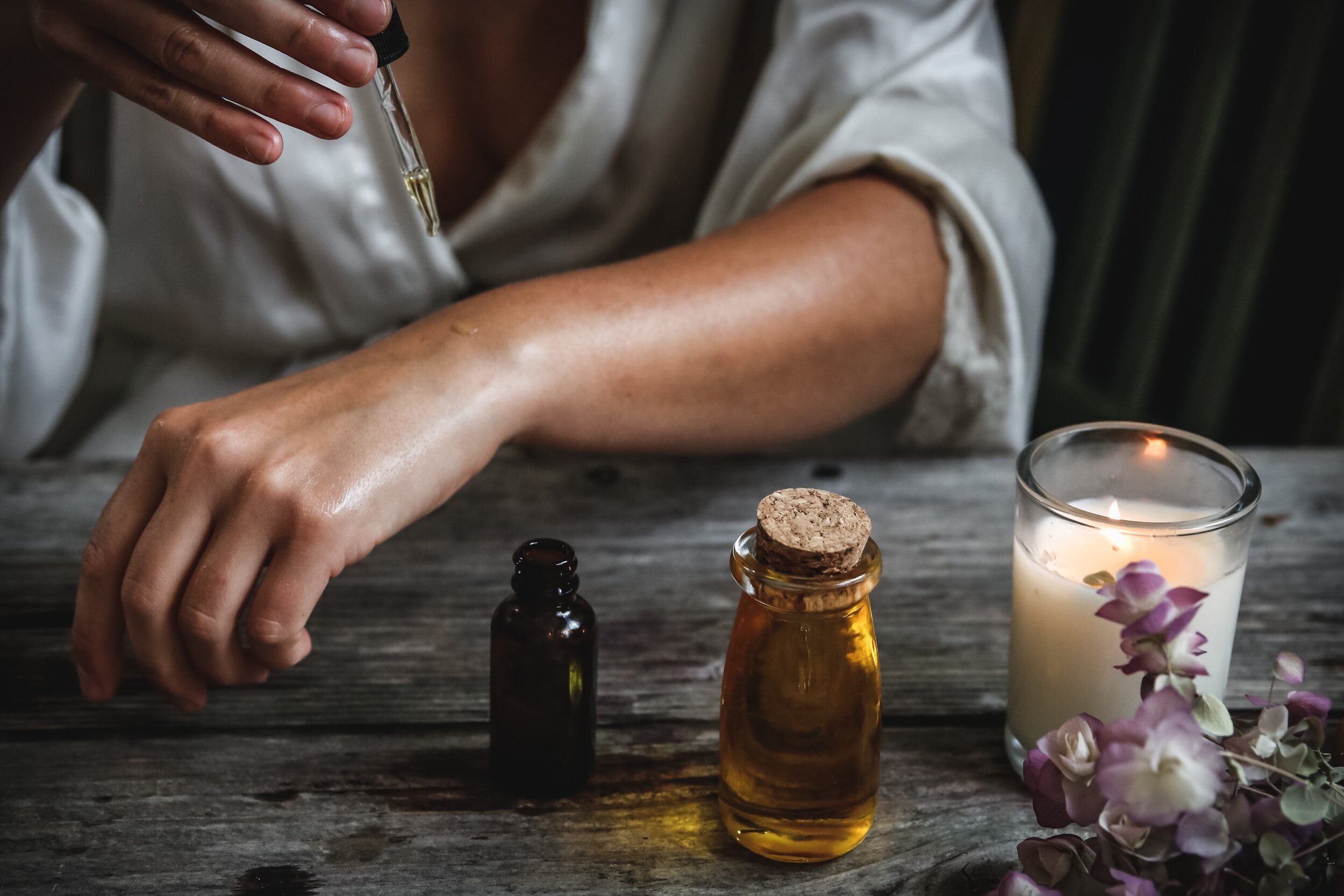
Photo by Chelsea Shapouri
The intricate symphony of hormones orchestrates our well-being — influencing every aspect of our physical and emotional health, and lying at the very heart of our fertility.

A Complex Web of Messengers
Our hormonal system, like a complex web of messengers, regulates numerous bodily functions — from reproductive health and metabolism to mood, sleep, and the elegant monthly choreography of the menstrual cycle. When hormonal balance becomes disrupted, it can manifest as irregular cycles, painful periods, mood swings, fatigue, and — often quietly, often unspoken — difficulty conceiving.
What does balance look like? When hormones are brought back into harmony, there is a renewed sense of vitality and vibrancy. Energy becomes steady and consistent. Sleep deepens. Moods stabilize. The menstrual cycle grows more regular, more predictable, more comfortable — and the body begins to speak the language of fertility fluently.
For those on a conception journey, hormonal balance is not background noise. It is the foundation everything else is built upon. Progesterone, estrogen, FSH, LH, thyroid hormones, cortisol, insulin — each one plays a specific, irreplaceable role in ovulation, implantation, and the sustaining of early pregnancy. When even one voice in this orchestra falls out of tune, the whole symphony shifts.
Empowering Hormonal Harmony: Mary's Journey
Mary, a 34-year-old woman, came to me seeking help for a distressing shoulder condition. During our initial consultation — a comprehensive assessment of her whole well-being — our conversation turned to her menstrual cycle. Her cycles spanned 23 to 31 days, lasting 4 to 7 days, and were accompanied by cramping, low back pain, breast tenderness, and significant fatigue. She had lived with this pattern for years and had been told by healthcare providers and people around her that it was simply normal.
She was open — if skeptical — to the idea that things could be different.
With a primary focus on resolving her shoulder discomfort, our therapeutic approach expanded to encompass a holistic rebalancing of her hormonal landscape. Through the use of targeted herbs, nutritional adjustments, and lifestyle refinements, we began our collaborative journey.
Over the course of five menstrual cycles, Mary documented progressive improvements across the full spectrum of her symptoms. Healing moved in its characteristically non-linear way — with each cycle offering new information, and each consultation allowing us to refine her protocol in response. By the fifth cycle, a significant transformation had taken place. The cramps, back pain, breast tenderness, and profound fatigue she had accepted as her reality had dissolved. In their place: a cycle marked by only mild discomfort, steady energy, and a body that finally felt like it was working with her rather than against her.
Mary's story is not an exception. It is a pattern I witness again and again — women who have normalized suffering, who have been told their experience is simply how it is, discovering that when the root causes are thoughtfully addressed, the body has a remarkable capacity to recalibrate and heal. For those navigating fertility challenges, this recalibration is often the turning point everything else hinges on.

Lifestyle changes are not supplementary to hormonal health — they are the ground it grows from.
Restful, consistent sleep allows the body to restore and recalibrate its hormonal rhythms. Melatonin, produced only in true darkness, protects egg quality and supports progesterone production in the luteal phase. Growth hormone, released during deep sleep, supports follicular development. Sleep is not passive recovery — it is active hormonal medicine.
Stress management is equally non-negotiable. Cortisol and progesterone compete for the same upstream precursor. In a chronically stressed body, cortisol wins — and progesterone suffers. This is one of the most common and most overlooked drivers of luteal phase insufficiency, irregular ovulation, and early pregnancy loss. Meditation, breathwork, time in nature, and the simple cultivation of joy are not indulgences on a fertility journey. They are clinical interventions.
Regular physical activity, tailored to your individual needs and cycle phase, supports circulation to the reproductive organs, improves insulin sensitivity — a key factor in conditions like PCOS — and promotes the kind of metabolic balance that allows hormones to communicate clearly and efficiently.
While we delve into the realm of herbal remedies, it's important to emphasize that the information shared here is for educational purposes only and is not medical advice. Please work with a qualified practitioner before beginning any herbal protocol, particularly while trying to conceive.
Nature's Pharmacy: Herbs for Fertility & Hormonal Harmony

Cinnamon
well-choreographed and balanced menstrual cycle
Warmth becomes your ally — in a dance of invigorated circulation, harmonious menstrual rhythms, and steadied blood sugar that your hormones depend on.
Cinnamon is particularly supportive for women navigating insulin resistance and PCOS, where elevated insulin disrupts the delicate signaling between the pituitary and the ovaries. By improving insulin sensitivity, cinnamon helps restore the hormonal conditions necessary for regular ovulation. It is a bridge between earthly and spiritual realms — a timeless emblem of vitality, warmth, and cyclical renewal within ancient herbal wisdom.

White Peony Root (Bai Shao)
sway confidently through life's vibrant journey
White Peony is renowned in Classical Chinese Medicine for its ability to nourish the blood, regulate menstrual cycles, and — crucially for fertility — modulate the ratio of estrogen to androgens. Research has suggested it may inhibit testosterone production and promote its conversion to estrogen, making it a significant ally for women with elevated androgens, irregular cycles, or PCOS.
It embodies oceanic strength — firming self-esteem, nurturing resilience, and safeguarding the rhythmic menstrual cycle as a testament to self-authority. For the woman learning to trust her body again on a fertility journey, White Peony is a quiet and steadfast companion.

Angelica (Dang Gui)
A cyclical dance, returning always to the heart's harbor
Dang Gui — often called the "female ginseng" of Chinese Medicine — is one of the most revered herbs in the world for reproductive and hormonal health. It nourishes and moves the blood, supports a healthy uterine lining, and gently regulates the menstrual cycle, making it foundational support for women working to optimize their fertility. It is particularly indicated where there is scanty flow, pale blood, or cycles that feel effortful and depleted.
Like a gentle, self-assured woman, Angelica whispers of self-esteem's tender plenitude — fertility's life-bestowing embrace, and the return of flow. A journey back to the heart's harbor. The tranquil sway of seaweed in a vast, patient ocean.